Fund Flow Dynamics From Initial Deposits Through to Withdrawals Across Card Tables, Spinning Reels, and Competitive Events
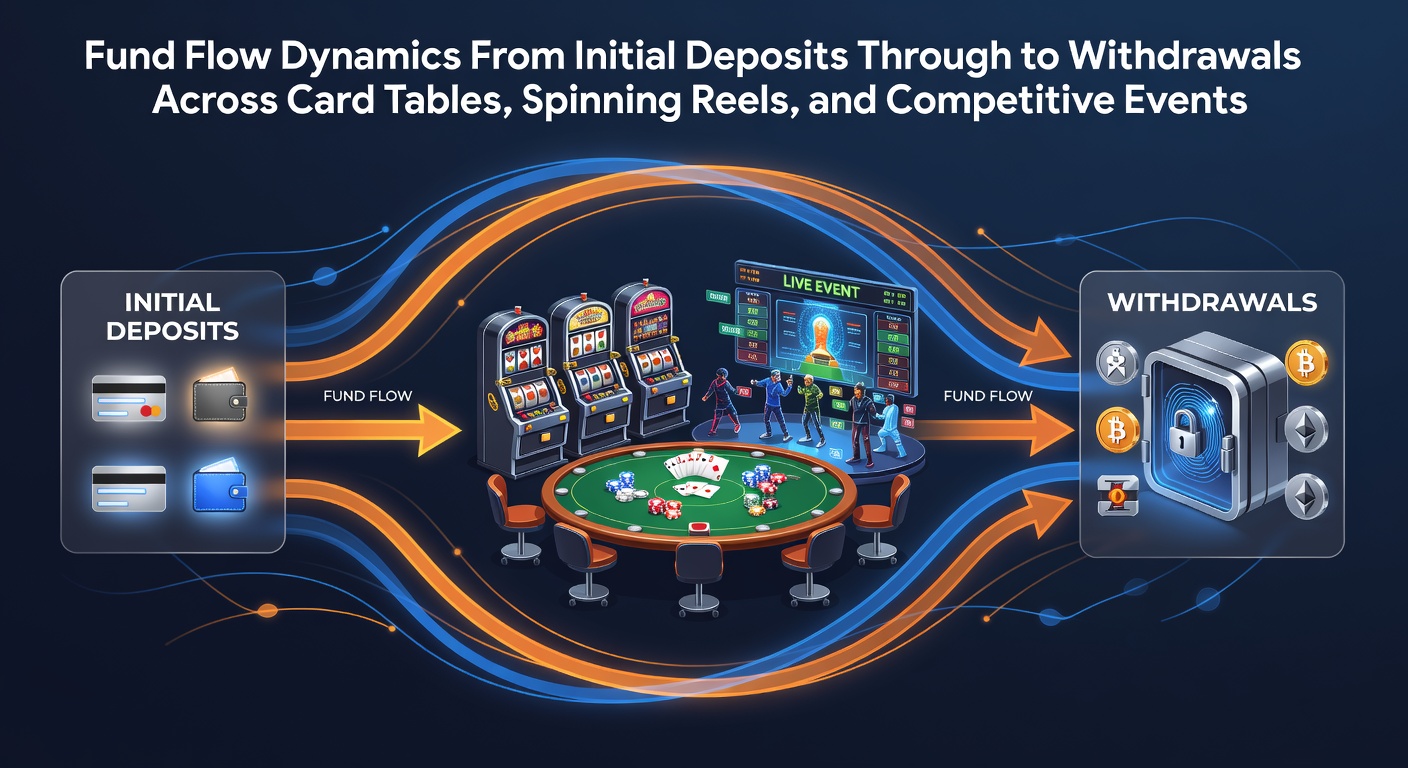
Fund movement in gaming environments begins with player deposits that enter operator accounts through various banking channels before distribution across different game types and eventual return via withdrawals. Operators track these flows through integrated systems that record each transaction from entry to exit while complying with regional financial regulations. In May 2026 several North American and European jurisdictions reported updated reconciliation standards that require real-time reporting of deposit-to-withdrawal cycles spanning table games, electronic reels, and event-based wagering.
Deposit Entry Points and Initial Allocation
Players initiate the cycle by transferring funds via credit cards, e-wallets, bank transfers, or prepaid vouchers, after which operators credit the amounts to individual accounts within seconds or minutes depending on the payment rail. These incoming sums appear in central ledgers before distribution algorithms allocate portions to different gaming verticals according to player selections. Data from the Nevada Gaming Control Board shows that average deposit sizes remained stable between 2025 and 2026 while the proportion routed immediately to slots increased slightly compared with table-game allocations.
Regulatory frameworks in multiple regions mandate segregation of player funds from operational capital, which creates separate tracking layers visible during audits. Once credited, balances become available for wagers on card tables where chips represent converted currency, on spinning reels where digital credits drive each spin, or on competitive events where odds and stakes determine potential returns.
Movement Through Card Tables
At card tables, funds convert into physical or digital chips that circulate among players and the house during each round. Bets placed on blackjack, poker variants, or roulette move through dealer trays and drop boxes before settling into win or loss categories at the end of every hand. Operators record these shifts in pit management systems that feed into daily revenue reports, and observers note that table-game hold percentages typically range between 2 and 8 percent depending on game type and player skill levels. Money that leaves the table either returns to player accounts as winnings or transfers to the house revenue account after rake or commission calculations.
Flow Across Spinning Reels
Electronic reel games receive allocated credits that decrease with each spin and increase when winning combinations trigger payouts according to fixed pay tables or progressive meters. Funds cycle rapidly through these machines because spin durations average three to five seconds, creating high transaction volumes that accounting systems aggregate into session totals. Research published by the University of Nevada, Las Vegas Center for Gaming Research indicates that slot-floor cashless systems now handle over 85 percent of reel transactions in major U.S. markets, reducing physical currency handling while maintaining precise audit trails from deposit through final cash-out.
Routing Into Competitive Events
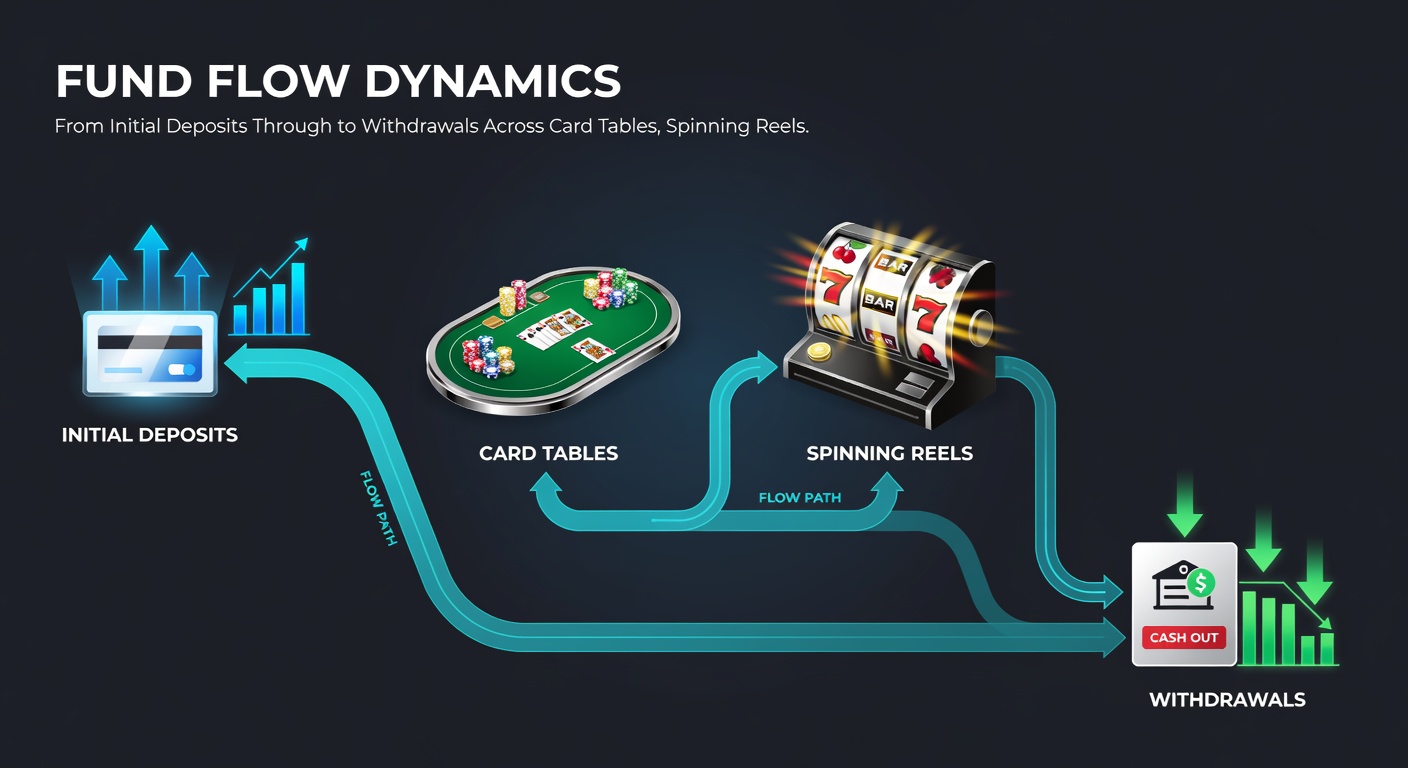
Competitive event wagering draws from the same account balances yet follows distinct settlement timelines tied to match results rather than immediate game outcomes. Stakes placed on sports, esports, or racing events sit in pending status until official results confirm winners, after which winning amounts return to player balances and losing stakes move to operator revenue pools. The Australian Gambling Research Centre documented that event-based wagering now accounts for roughly 30 percent of total player deposits in licensed Australian platforms, with funds moving through multiple risk-management layers before settlement. Operators maintain separate ledgers for these markets to accommodate variable payout schedules that can stretch from minutes to days.
Withdrawal Processes and Reconciliation
Players initiate withdrawals once balances reach threshold levels set by operators, triggering verification checks that include identity confirmation and anti-money-laundering screening. Approved requests route through the same payment channels used for deposits, though processing times differ by method and jurisdiction. Funds returning via e-wallets often complete within hours while bank transfers may require one to three business days. Reconciliation reports compiled at the end of each gaming day match total deposits against total withdrawals plus house win, producing the net position required by regulators. In May 2026 several Canadian provinces implemented enhanced digital audit logs that link every withdrawal request directly to its originating deposit batch for faster compliance reviews.
Cross-Vertical Interactions and System Controls
Modern platforms allow seamless transfers between verticals, so a player can move winnings from a reel session directly to a table-game buy-in or an upcoming sports wager without external withdrawals. Backend systems enforce daily and monthly limits that cap both deposits and withdrawals to align with responsible gaming policies. These controls create predictable flow patterns that risk-management teams monitor for unusual spikes or prolonged holding periods. Industry reports from the European Gaming and Betting Association highlight that integrated platforms reduced average withdrawal processing times by 18 percent between 2024 and 2026 through automated verification layers.
Conclusion
Fund flow dynamics across card tables, spinning reels, and competitive events follow structured pathways from initial deposit through game-specific circulation and back out via verified withdrawals. Operators rely on layered accounting systems, regulatory oversight, and payment infrastructure to maintain accuracy and compliance throughout each cycle. Continued updates to reporting standards, such as those observed in May 2026, reflect ongoing efforts to align transaction tracking with evolving financial and technological requirements in licensed gaming markets worldwide.