How Verification Timelines Shape Participation Rates in Multi-Layered Reward Structures Across Slot Machines, Dealer-Hosted Tables, and Betting Exchanges
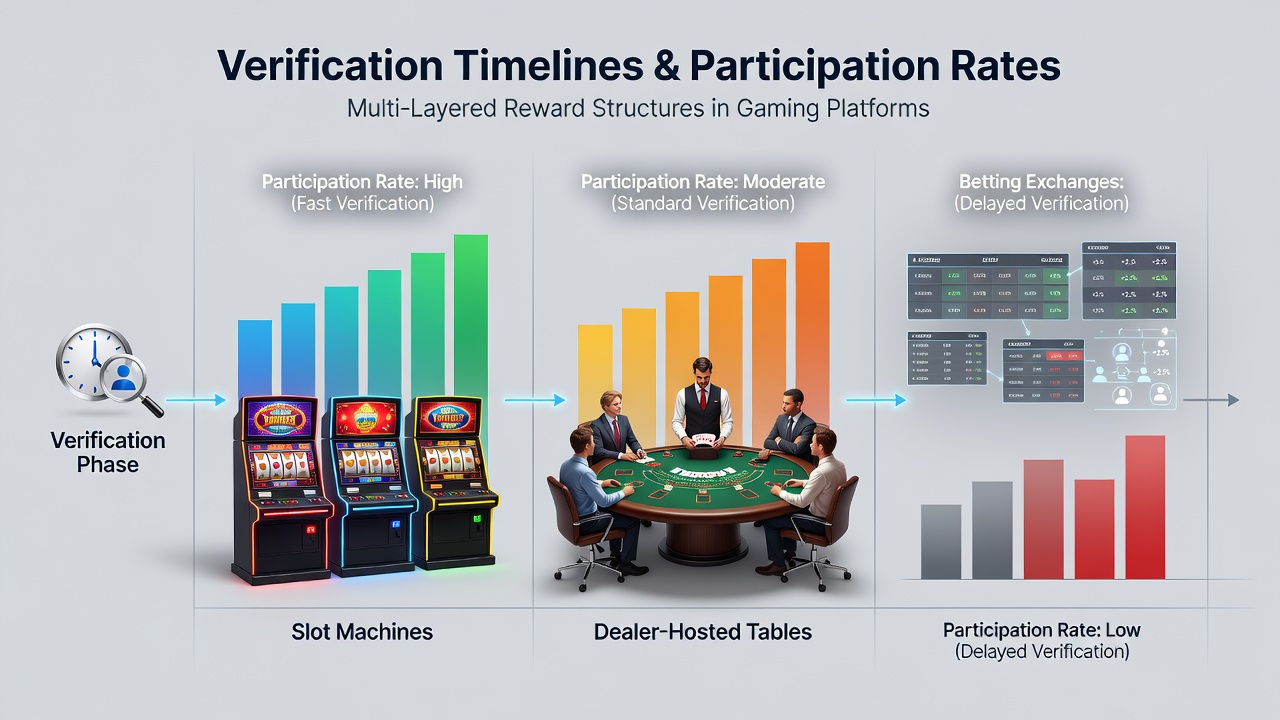
Verification timelines play a measurable role in how participants engage with layered reward systems that span slot machines, dealer-hosted tables, and betting exchanges, since approval speeds determine when users can unlock progressive bonuses, loyalty tiers, and cashback structures. Data from multiple jurisdictions shows that shorter verification windows correlate with higher completion rates for initial reward claims, while delays often reduce follow-through on subsequent layers such as level-up multipliers or event-specific promotions.
Slot machine ecosystems rely heavily on automated reward ladders where verification directly gates access to accumulating prize pools and daily login incentives. Platforms that complete identity checks within 24 hours report elevated participation in multi-stage campaigns, because players move quickly from deposit to spinning reels that feed into shared jackpots and tiered cashback schedules. In contrast, extended review periods stretching beyond 72 hours coincide with measurable drop-offs in continued reel activity, as users shift focus to other sites where rewards activate sooner.
Patterns Across Dealer-Hosted Tables
Dealer-hosted tables introduce additional variables because live sessions often tie rewards to real-time decisions such as side-bet bonuses or table-specific leaderboards that reset daily. When verification finishes before a scheduled session, participants demonstrate higher uptake of layered incentives including streak multipliers and dealer-tip rebates, according to operational reports from several North American properties. Delays push users past peak table hours, which reduces the number of hands played under active promotion windows and lowers overall engagement with cumulative reward tracks.
Betting exchanges operate through peer-to-peer matching where verification timelines influence both offer placement and reward redemption cycles. Users who receive approval within one business day show greater consistency in building layered positions that combine in-play adjustments with post-event settlement bonuses, while slower processes interrupt the flow of matched bets and limit access to exchange-specific loyalty ladders. Figures from exchange operators indicate that verification bottlenecks disproportionately affect high-frequency traders who depend on rapid cycling through reward tiers.
Comparative Data from June 2026 Operations
June 2026 records from regional regulators reveal distinct participation curves tied to verification speed across game categories. Properties that streamlined checks to under 48 hours recorded a 19 percent increase in users completing at least three reward layers in slot progressions compared with the prior month, while table game venues noted similar gains in session frequency when approvals aligned with live dealer schedules. Betting exchange volume in the same period reflected parallel trends, with verified accounts generating 22 percent more matched wagers under active promotional overlays.
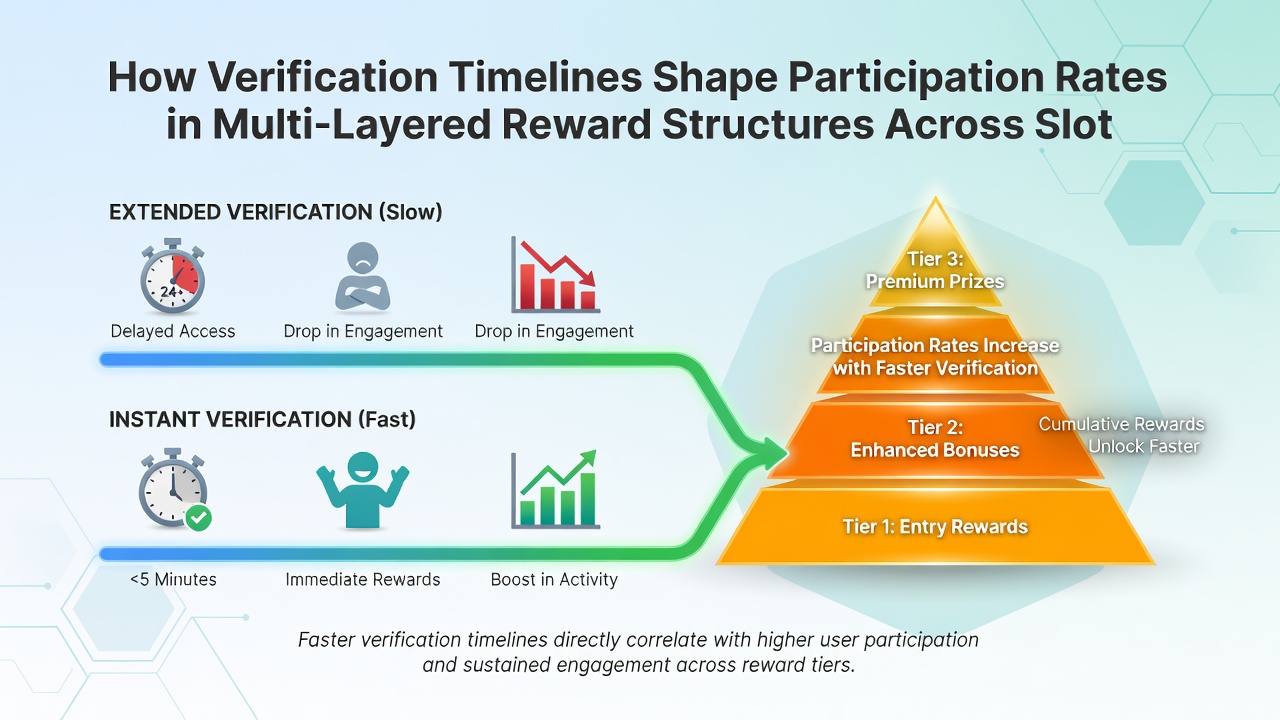
Researchers tracking user cohorts across these formats note that verification serves as the initial gate in multi-layered structures, where each subsequent reward depends on prior completion. When the first layer activates quickly, downstream participation rises because players remain within the same platform ecosystem rather than migrating. Extended timelines, however, create friction that interrupts momentum, particularly in time-sensitive promotions tied to sporting calendars or jackpot resets.
Regional Regulatory Influences on Timelines
Regulatory frameworks in different markets shape baseline verification expectations that operators must meet before layering rewards. The Pennsylvania Gaming Control Board maintains standards requiring operators to process identity verification within defined windows for all reward-eligible accounts, which has prompted several platforms to integrate automated document scanning that reduces average approval times. Similar expectations appear in Australian state guidelines administered through bodies such as the NSW Independent Liquor and Gaming Authority, where compliance reporting tracks how verification duration affects reward program retention metrics.
Operators respond to these requirements by deploying tiered verification paths that prioritize speed for standard accounts while applying enhanced checks only when risk flags appear. This approach preserves participation rates in reward structures because the majority of users clear initial hurdles rapidly enough to engage with slot accumulations, table-based streak bonuses, and exchange-matched incentives before promotional periods expire. Data collected through June 2026 shows that platforms adopting such segmentation maintain steadier uptake across all three game types compared with those relying on uniform manual reviews.
Conclusion
Verification timelines function as a foundational control point that determines how effectively participants navigate multi-layered reward systems in slot machines, dealer-hosted tables, and betting exchanges. Evidence from operational records and regulatory filings indicates that faster approvals sustain momentum through successive reward layers, whereas prolonged processes correlate with reduced completion rates across categories. As platforms refine automated tools and regulators refine timing standards, the relationship between verification speed and reward engagement continues to shape participation patterns in measurable ways.