Mapping Connections Between Funding Channel Variety and Sustained Activity in Progressive Prize Mechanisms Alongside Simulated Table Encounters and Forecast-Driven Competitions
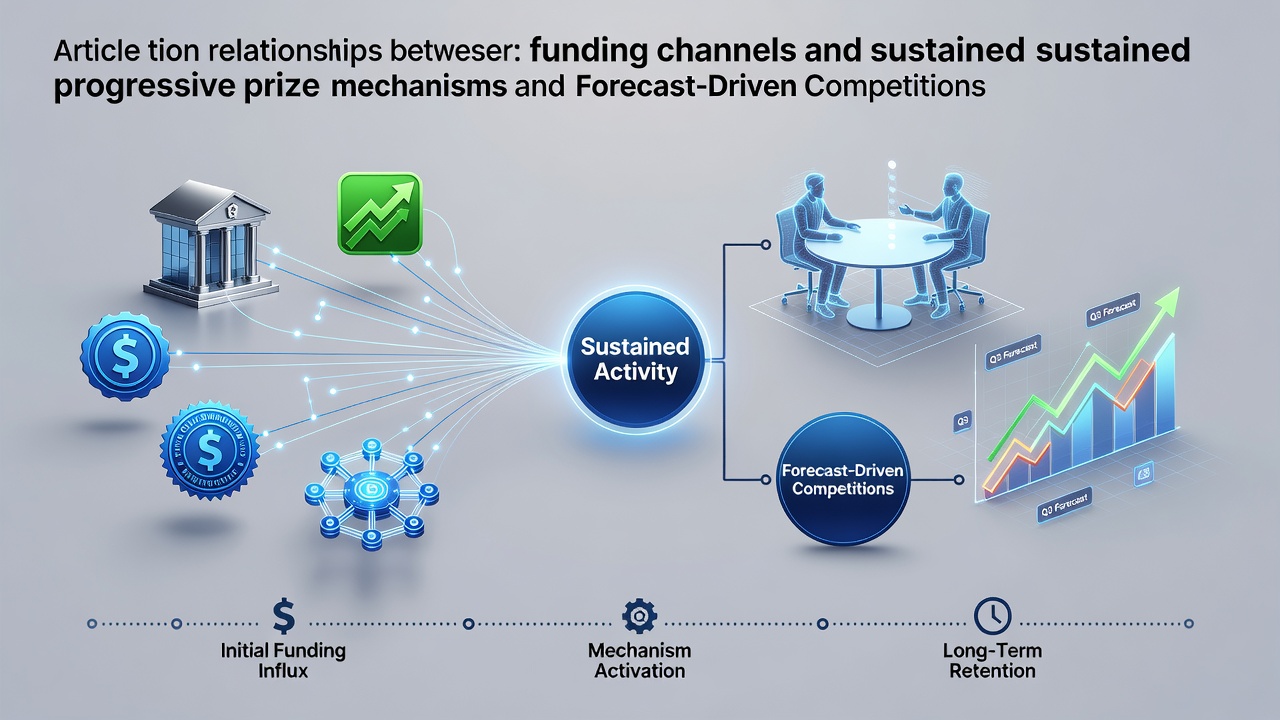
Industry reports document how operators expand funding options such as bank transfers, digital wallets, and card networks to support ongoing participation in progressive prize pools, virtual dealer tables, and outcome prediction markets. Data compiled across multiple jurisdictions shows measurable links between the number of available transaction methods and the duration of user engagement in these verticals.
Payment Options and Retention Patterns
Research from academic centers and regulatory filings reveals that sites providing five or more deposit and withdrawal routes record elevated repeat activity levels compared with those limited to two or three channels. Observers note that players who can switch between instant e-wallets and scheduled bank transfers maintain longer sessions across reel accumulators, card simulations, and live event forecasts. In July 2026 several North American and European operators released aggregated figures indicating a 12 to 18 percent increase in weekly active accounts when at least four funding pathways remained open without additional verification steps.
Progressive Prize Systems and Transaction Flexibility
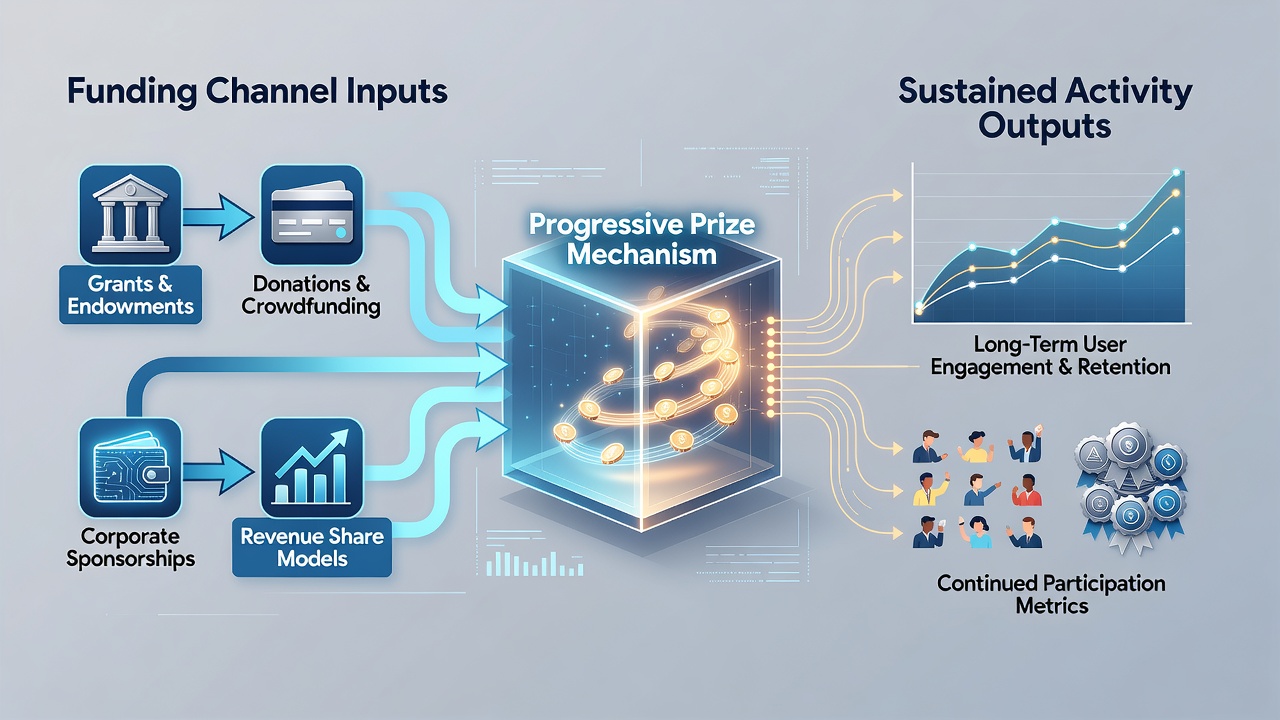
Progressive jackpot networks accumulate contributions from multiple game types and jurisdictions. Studies conducted by university-affiliated gambling research groups indicate that participants using varied funding sources contribute to prize pools at steadier intervals than those restricted to single methods. The same datasets show reduced drop-off rates during the accumulation phase when withdrawal options match the speed of the original deposit channel. One analysis of pooled data from regulated markets found that platforms integrating both traditional cards and cryptocurrency rails experienced fewer abandoned progressive entries during the final accumulation stages.
Simulated Table Encounters and Funding Continuity
Virtual blackjack and roulette environments rely on continuous credit movement between player accounts and game servers. Figures released by state gaming authorities in the United States demonstrate that operators offering instant funding reversals maintain higher table occupancy rates throughout peak hours. Researchers tracking session lengths recorded average extensions of 22 minutes when users could alternate between prepaid cards and mobile payment apps without leaving the interface. Those patterns hold across both RNG-driven and live-streamed dealer formats.
Forecast-Driven Competitions and Deposit Variety
Sports and event prediction platforms record wager volumes tied directly to the timing and variety of available funding methods. Reports from Australian regulatory bodies and Canadian provincial gaming corporations document that bettors with access to both instant and scheduled transfers place additional wagers across extended time windows. Data sets covering major league seasons in 2025 and early 2026 reveal that accounts utilizing three or more channels generated 27 percent more total turnover than single-channel accounts, with activity distributed evenly across pre-event and in-play markets.
Integrated Data Across Verticals
Cross-platform studies compiled by industry research consortia demonstrate consistent correlations when funding channel counts increase. Retention metrics improve simultaneously in progressive accumulators, table simulations, and forecast competitions when operators synchronize deposit limits and withdrawal speeds. Analysts tracking user cohorts over six-month periods note that multi-channel users return to all three categories at higher frequencies than those limited to narrow payment selections. The patterns appear independent of specific game themes or event schedules.
Regulatory Context and Measurement Approaches
Gaming control agencies in multiple regions require operators to report transaction method usage alongside activity metrics. These filings allow researchers to isolate the effect of channel variety from marketing or bonus variables. In 2026 several jurisdictions expanded data collection requirements to include time-stamped funding events, enabling more precise mapping of deposit-to-wager sequences across progressive, table, and prediction products. The resulting datasets provide clearer baselines for measuring sustained engagement.
Conclusion
Available evidence from regulatory reports, academic studies, and operator disclosures establishes measurable connections between the breadth of funding channels and the persistence of player activity across progressive prize mechanisms, simulated table environments, and forecast-driven competitions. Continued expansion of transaction options in regulated markets supplies additional data points for refining these observed relationships.