Patterns in User Retention Linked to Variety in Transaction Options Across Sites Featuring Reel Accumulations, Table Simulations, and Sports Forecasts
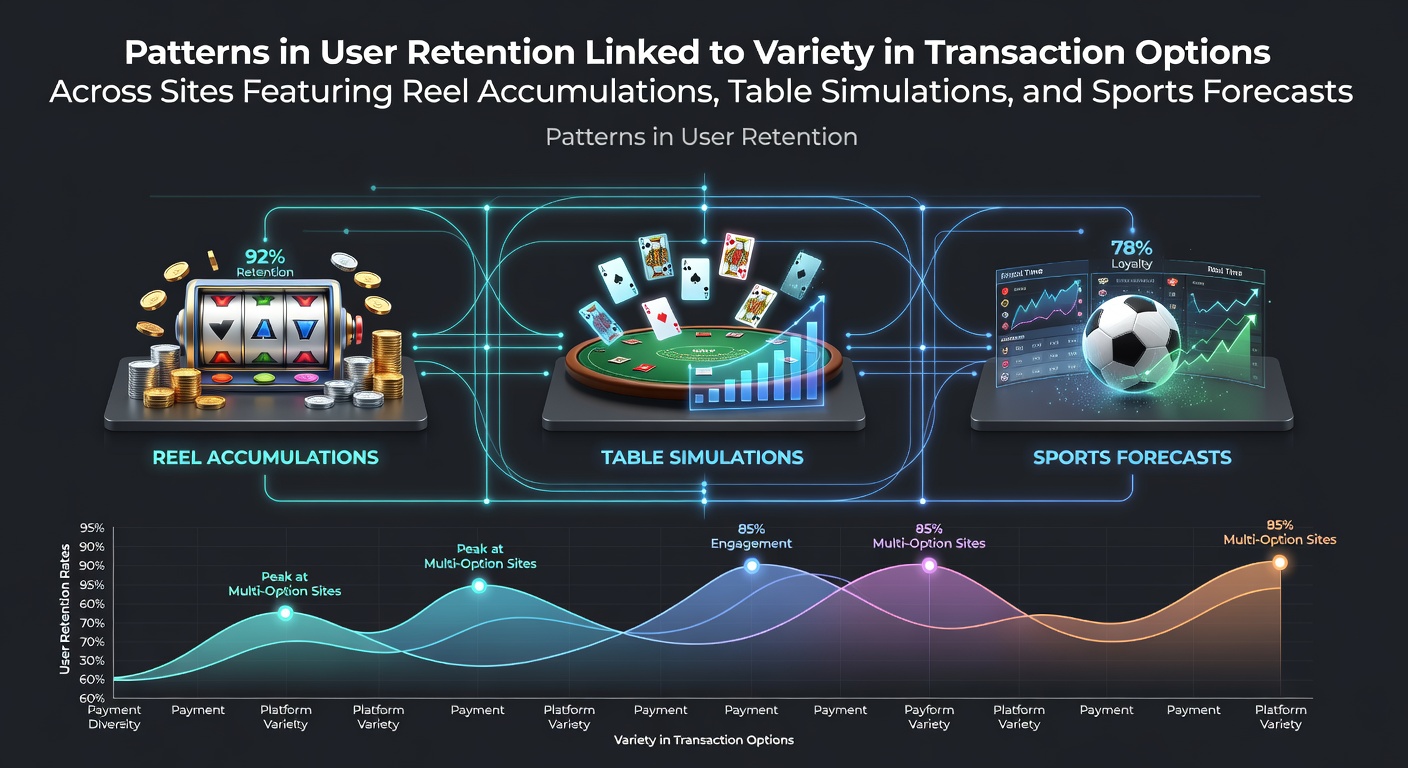
Transaction variety has emerged as a key factor shaping user retention on platforms that combine reel accumulations, table simulations, and sports forecasts, according to recent industry analyses. Operators who expand deposit and withdrawal choices often see measurable differences in how long players stay active, particularly when those options align with regional preferences and game-specific spending patterns. Data from multiple markets shows that sites offering more than five payment methods report higher repeat engagement rates compared to those limited to traditional card processing alone.
Transaction Diversity and Platform Engagement
Reel accumulations, table simulations, and sports forecasts each attract distinct user behaviors that interact differently with funding tools, and researchers have documented these connections through large-scale platform audits. Players focused on progressive reel features tend to favor instant e-wallet transfers because they support frequent small deposits during extended sessions, whereas sports forecast enthusiasts often rely on bank transfers for larger, less frequent stakes. Table simulation users split across both categories, with many preferring methods that allow quick top-ups between hands or rounds without leaving the interface.
Studies conducted through 2025 and into early 2026 indicate that platforms expanding into cryptocurrency and regional mobile payment systems experienced retention lifts of 12 to 18 percent within six months of implementation. These gains appear most pronounced among users who engage across all three categories rather than sticking to a single vertical, suggesting that seamless movement between reel, table, and sports sections benefits from equally fluid financial pathways.
Regional Patterns Observed Through May 2026
North American operators reported steady increases in multi-method adoption following regulatory expansions in several states, while European and Asian markets showed parallel trends driven by local digital wallet growth. Figures from the American Gaming Association reveal that integrated sites handling all three verticals maintained stronger month-over-month retention when they supported at least one instant withdrawal channel alongside standard options. Similar observations from the Canadian Gaming Association highlight that provinces with broader payment regulations saw platforms retain users longer when crypto and prepaid card services were added.
What's interesting is how these patterns hold across different user demographics. Younger cohorts gravitate toward apps and digital wallets that integrate directly with sports forecast live betting, while older segments show higher loyalty when traditional bank options remain available alongside newer methods. Platforms that fail to offer this mix often experience faster drop-off once initial welcome bonuses expire.
Payment Speed, Fees, and Cross-Vertical Retention
Transaction speed influences retention more than many operators initially expected, especially when players move between reel accumulations and sports forecasts within the same session. Quick deposits enable seamless shifts from spinning reels to placing in-play bets, and equally fast withdrawals reduce friction that otherwise leads users to competitors. Evidence from multiple operator reports shows that sites processing withdrawals under 24 hours retain a higher percentage of multi-vertical players than those averaging three to five business days.
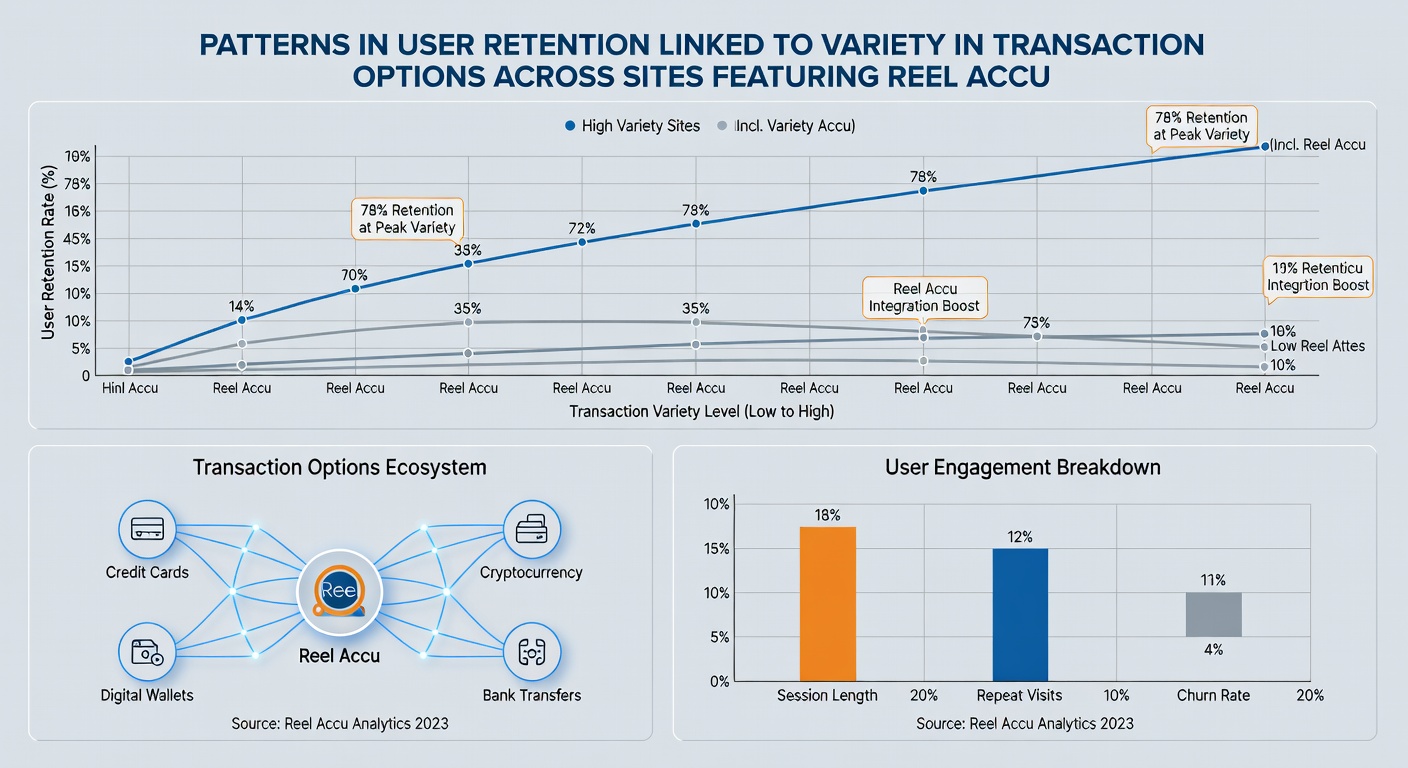
Fee structures also play a documented role. Low or zero-fee options for both deposits and withdrawals correlate with longer account lifespans, according to aggregated data shared by industry research groups. When fees exceed certain thresholds, users who split activity between table simulations and sports forecasts tend to consolidate their play on fewer sites or reduce overall volume. Those who've examined transaction logs across hundreds of thousands of accounts note that transparent fee disclosure further supports retention by building trust that carries over from one game type to another.
Security Features and User Confidence
Security protocols tied to transaction methods affect long-term engagement as well. Platforms incorporating two-factor authentication and biometric verification for withdrawals often see fewer account closures among users who participate in all three verticals. Observers note that players who feel confident moving funds between reel, table, and sports sections return more consistently, particularly when transaction histories remain easily accessible and clearly categorized.
Case examples from operators in multiple jurisdictions demonstrate that adding region-specific payment gateways, such as those popular in Latin America or Southeast Asia, expands the reachable user base and improves retention among international players. These additions allow users to maintain activity across reel accumulations, table simulations, and sports forecasts without needing to navigate unfamiliar banking systems.
Conclusion
Patterns linking transaction variety to user retention continue to develop as platforms refine their offerings for reel accumulations, table simulations, and sports forecasts. Data collected through May 2026 shows consistent advantages for operators who maintain diverse, fast, and secure funding channels that match the spending rhythms of each vertical. Those who monitor these metrics closely and adjust payment portfolios accordingly position themselves to sustain higher engagement levels across their entire user base.