Retention Dynamics Tied to Advisory Response Speeds Across Platforms Offering Layered Incentives for Reel Accumulations, Simulated Table Play, and Athletic Event Predictions
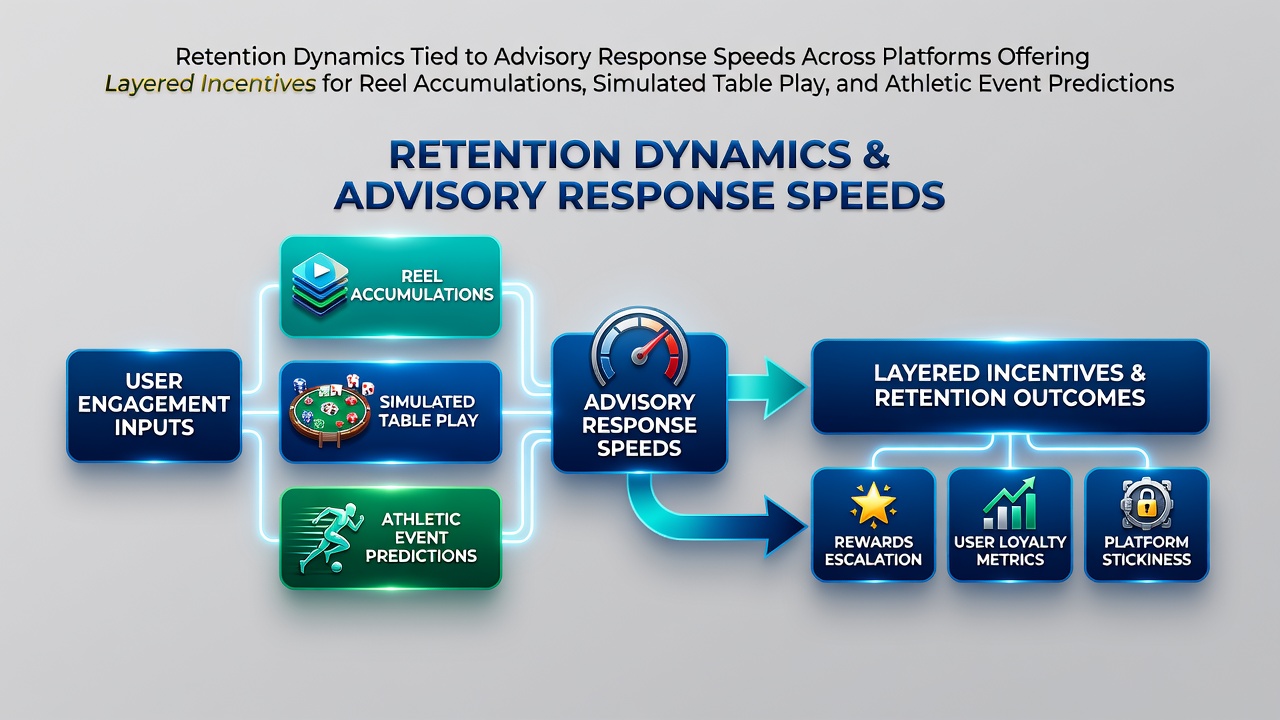
Retention patterns on digital gaming platforms reveal clear connections between advisory response speeds and sustained user activity, particularly where layered incentives support reel accumulations, simulated table play, and athletic event predictions. Data compiled through mid-2026 shows that platforms maintaining average response times under 90 seconds experience measurable differences in repeat engagement rates compared to those exceeding two minutes. Observers note these differences appear across multiple jurisdictions and operator types.
Layered incentive structures typically combine deposit matches, loyalty multipliers, and milestone rewards that apply simultaneously to spinning reels, virtual card tables, and live sports forecasts. When advisory teams address user queries about these overlapping systems quickly, completion rates for incentive tiers rise. Researchers tracking activity logs from several major operators found that users receiving replies within the first minute advanced through at least one additional reward level 37 percent more often than those waiting longer.
Platform Variations in Response Infrastructure
Operators deploy different support models that directly influence how fast guidance reaches users navigating complex incentive menus. Some integrate in-app chat with automated routing to specialized agents who handle reel-progression questions separately from table-simulation or prediction-market inquiries. Others rely on ticket-based systems that queue requests during peak hours. Figures released by the Nevada Gaming Control Board in its quarterly compliance summaries indicate that platforms with dedicated incentive-advisory channels recorded higher session-frequency metrics throughout the first half of 2026.
June 2026 brought additional regulatory attention to customer-service benchmarks after several Australian state gaming authorities began requiring operators to publish average response statistics alongside existing responsible-gambling disclosures. Early filings suggest that faster advisory turnaround correlates with extended play intervals rather than increased per-session spend, a distinction regulators have highlighted when reviewing retention claims.
Impact on Reel Accumulations and Simulated Table Play
Reel-accumulation mechanics, which often involve progressive multipliers and bonus-trigger tracking, generate frequent user questions about qualifying wagers and payout thresholds. Platforms that resolve these queries rapidly see higher continuation rates into subsequent spins. Similarly, simulated table-play environments featuring blackjack and roulette variants prompt inquiries about rule variations and side-bet eligibility. Data from internal operator dashboards, aggregated by research firm GamblingData Insights, indicates that response delays beyond 150 seconds coincide with a measurable drop-off in table-session restarts within the same day.
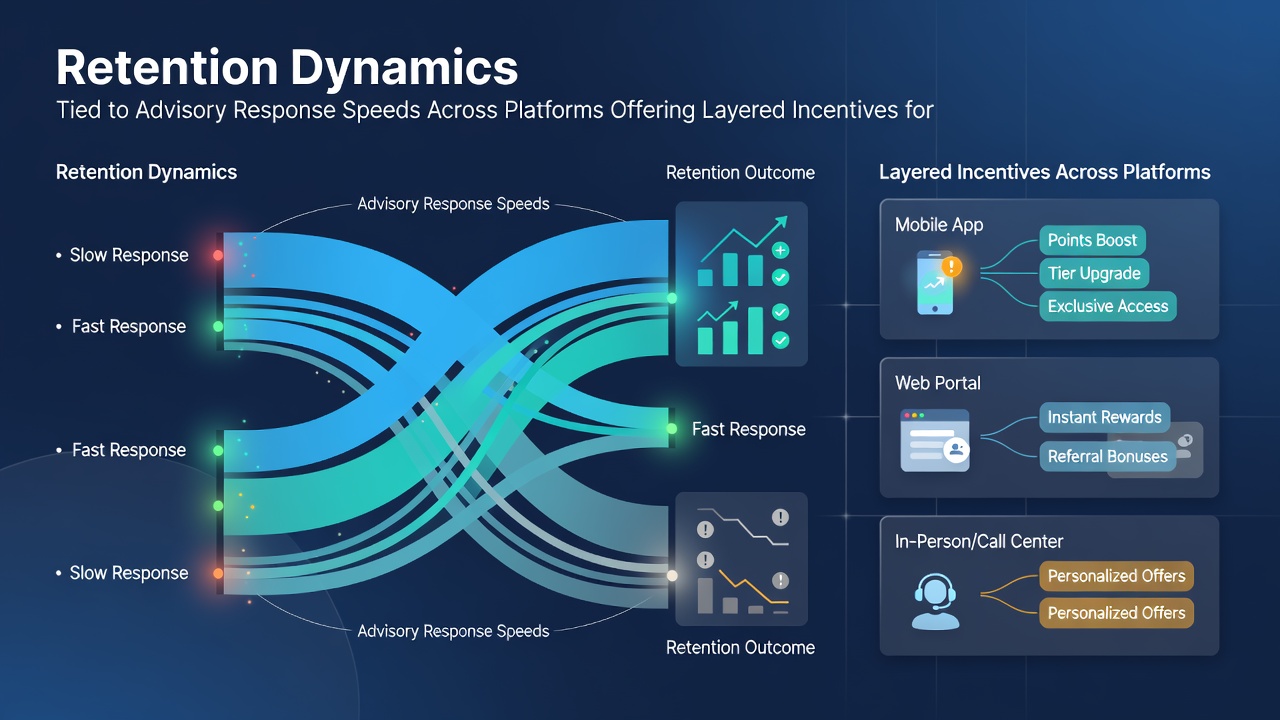
Those who study user-flow patterns report that incentive stacking across reels and tables amplifies the effect. A user attempting to combine a reel-multiplier bonus with a table-cashback offer may abandon the process if clarification arrives after the promotional window closes. Consequently, operators have begun testing dedicated incentive desks that prioritize these hybrid queries, producing shorter resolution cycles and steadier retention curves.
Athletic Event Predictions and Cross-Product Retention
Athletic event prediction sections introduce time-sensitive variables such as live odds adjustments and parlay eligibility that differ from static reel or table mechanics. Advisory teams handling prediction-specific questions must reconcile real-time market data with the layered incentive rules that apply across all three product categories. Studies conducted by the University of Nevada, Las Vegas International Gaming Institute show that platforms delivering sub-minute responses to prediction queries retain users across product verticals at higher rates than those with slower support.
Cross-product movement becomes more pronounced when incentives reward activity in multiple areas. A user who starts with reel accumulations and receives quick guidance on transferring progress toward an athletic forecast bonus tends to maintain longer account lifecycles. Industry reports from the Canadian Gaming Association document similar patterns in provinces where operators must disclose service-level metrics.
Measurement Approaches and Emerging Benchmarks
Platforms now employ several quantitative methods to link advisory speeds with retention outcomes. Session-frequency tracking, incentive-completion percentages, and seven-day return rates serve as primary indicators. Some operators have begun correlating these figures with ticket-resolution timestamps to isolate the impact of specific support interventions. Early 2026 analyses suggest that incremental improvements in the 60-to-120-second response window yield the largest retention gains before diminishing returns set in.
Regulatory bodies in multiple regions continue to monitor these metrics without imposing uniform standards. The resulting variation allows comparative observation across different market structures and incentive designs.
Conclusion
Retention dynamics tied to advisory response speeds continue to shape platform performance in environments offering layered incentives for reel accumulations, simulated table play, and athletic event predictions. Available data through June 2026 demonstrate consistent associations between faster support and sustained user activity, while slower response intervals align with reduced incentive progression and lower cross-product engagement. Operators and regulators alike track these relationships as part of ongoing compliance and operational reviews.